In any other race, the final lap is where you find your second win. But when it comes to high school, the final lap is often where the engine starts to smoke, the tires go flat, and the driver starts looking for the nearest exit. In this scenario, the driver is the senior.
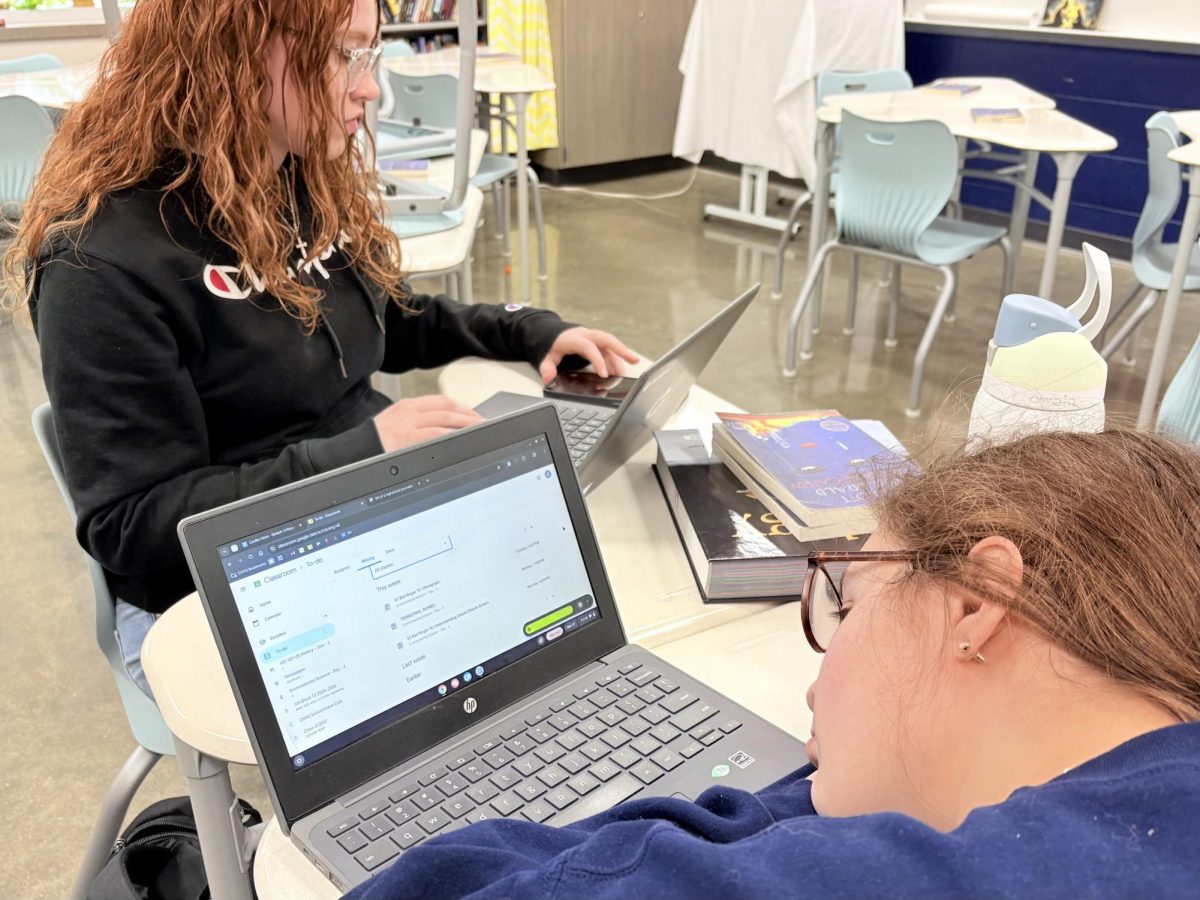
Most seniors have experienced “Senioritis.” After being in the same place, meeting the same people, seeing the same teachers, and experiencing the same routine nine months a year for four years, it can become tiring, monotonous, and overall exhausting.
In most cases throughout schools in the United States, seniors have to stay at school the entire day, like any other student in lower grades. However, seniors at Central have the opportunity to make their last year of grade school different.
Central Hardin High School and other surrounding Hardin County Schools have the chance to change their everyday school routine. Either joining Co-op, which can look different for certain students, attending the academy, or simply taking easier classes in the last year to have a break before stepping into the real world. Yes, the district attempts to offer students a way to combat the monotony and make the last year more personally fulfilling; however, these openings for a different year can lessen the sense of repetitiveness, but it doesn’t change the fact that seniors are tired of waking up at early hours to attend school, and then going to work or other activities.
These opportunities can address these solutions; however, not every senior has the chance to pursue these alternatives. Some seniors may have made a mistake in their early years of high school that affected their attendance or grades, and cannot partake in the co-op or academy route. Some high schoolers who transferred to Central did not have the right credits for these different routes, and some seniors simply didn’t want to take on another liability, such as these class replacements.
For these students, the final year isn’t about new opportunities—it’s just about getting through the day. Without those other options to look forward to, many seniors end up hitting a wall. This feeling of being completely ‘done’ with school is something we’ve all heard of since freshman year.
“Senioritis” has been a term most have been familiar with since starting freshman year of high school. In real terms, “a supposed affliction of students in their final year of high school or college, characterized by a decline in motivation or performance,” seniors are often seen as lazy or irresponsible when it comes to their declining attendance or lack of effort. However, looking at the situation from a senior’s perspective, senior year feels like the last year of childhood. The last year to really enjoy the few months before venturing into the world that we don’t know yet.
So, when seniors are constantly skipping or simply don’t have the energy to do work as they have been for the past years, it’s not due to irresponsibility or laziness, it’s due to the want of enjoyment. To cherish the last moments of having a set lunch period, the last high school athletic games, getting in trouble for being on your phone, or having friends to laugh with in the hallway.
Seniors don’t want to spend their last moments of high school stressing about tardiness or worrying about useless homework after attending class for eight hours, all the while balancing school and non-school activities, relationships, after-high-school plans, and so much more.
Another term most don’t know of is “anticipatory socialization.” This means the process of learning and adopting the values, behaviors, and norms of a future social role or group before formally entering it. In simpler terms, when one has a major change of plans for the future and knows of these, the brain adapts to those changes faster than they actually happen.
When seniors have their future planned and sought out before actually graduating, it puts these students in a mindset outside of high school. The mind immediately transfers to the importance of the future, planning towards a life unseen by the student. When young adults, such as seniors in high school, experience a drastic change in everyday life, such as graduating from high school, it’s like being transported from a country to a city. Everything is disorganized, different, and overwhelming.
“Senioritis” isn’t meant to be a dig at teachers. It’s not disrespectful to the school system and the workers. It’s a term to sum up the feeling of nostalgia and exhaustion all in one. Seniors go from graduating after twelve years of routine, and every day is similar to one of new beginnings and different surroundings. Even if a senior decides to stay in the town in which they are already located, the daily routine is disrupted.
So, if you know of a senior (either as a fellow underclassman student or teacher) who seems like they miss a lot of school or genuinely seem tired every day, don’t be so quick to judge them. More than likely, they are trying to prepare themselves for the foreseeable future, not being lazy.